
Our Story


Born From Experience. Inspired by Legacy. Engineered to Protect.
SeaStar was founded by Raymond J. O’Neill, son of inventor Raymond J. O’Neill Sr.
After Hurricane Ian devastated coastal communities and caused 161 fatalities, Raymond found himself thinking about the people and places left behind - and about how much more could be done to protect our coastlines from the forces of nature.
That search brought him back to his father.
Raymond returned to his father’s library of designs, looking through years of ideas, drawings, and engineering concepts that had been preserved over time. Among them, he discovered a design for a recurved seawall using precast armored concrete, piles, and an armor-block footing.
The concept was strong, but Raymond believed it could be better.
He began researching, developing, and refining the idea, looking for a way to create a seawall that could offer effective protection while being more practical, adaptable, portable, and reusable.
That work eventually led to the development of a hollow-core, roto-molded, recurved seawall system anchored with two 8" × 16' piles and connected with a 6" H-column.
What began as a search through his father’s designs became something of its own - a new approach to coastal protection, inspired by an old idea and shaped by new thinking.
Today, SeaStar is focused on protecting shorelines from coastal erosion, storm surge, flooding, and ocean wash-up, while helping protect man-made dunes and support beach accretion.
For Raymond, SeaStar is more than an engineering solution. It is a continuation of an idea that began with his father and a belief that there is always a better way to protect the places we call home.
From one generation to the next.
Mission Statement
The true value of the SeaStar Curved Sea Wall goes far beyond the cost of manufacturing and installation.
The real measure of its value is what it can protect and what it can save.
By helping protect homes, infrastructure, roads, public spaces, and coastal communities from storm surge, flooding, and erosion, SeaStar can help reduce the enormous costs of storm damage and repeated rebuilding.
The investment is not simply in a seawall. It is an investment in protection, preservation, and a stronger coastline for generations to come.
Patent pending
Applications
A comprehensive breakdown of our curved seawall uses.
Hurricane Barrier
In order to prevent scour and cliffing, placement of the units is critical. If the armored units are placed where cliffing is expecting to occur, the following procedure shall take precedence.
The units should be installed with a heavy-duty filter fabric containing two 8" grommet holes, allowing the piles to pass through and anchor the fabric securely.
The filter fabric should then be rolled out approximately 10-15 yards toward the near shore, trenched approximately 4-6 feet into the ground, pinned in place, and backfilled.
This installation method is designed to help prevent scour and cliffing by securing the shoreline and stabilizing the area beneath the armored units.
Landside Installation with Automated Vehicle
This diagram shows the landside installation, with a fully equipped mobile truck positioned at the backshore.
The installation includes filter fabric, with either 8" steel piles or steel augers used for anchoring. The appropriate anchoring method will depend on the density and composition of the soil, sand, and rock at the installation site.
All blocks will be pumped and filled with seawater, weighing approximately 6.5 tons each, and will have GPS monitoring and wave-impact recording.

Scour and Cliffing Prevention


This diagram shows the seawall installed along the backshore and anchored with two 8" steel piles, approximately 16' in length. Piles are optional when the seawall is installed at the backshore but are required when installing the system at the foreshore.
A 10' H-column connects the units together. Also shown is the heavy-duty filter fabric installed beneath the units and extending outward toward the shore.
The system will be available in both 8' and 10' units, with the 10' units providing additional protection for hurricane conditions.

Protection of Construction
This diagram illustrates the installation of the seawall prior to construction. The seawall is installed in advance to protect the construction of new structures, including footings and foundations, boardwalks, upper roadways, and promenades.
Waterside Installation with Automated Vehicle
In order to prevent scour and cliffing, placement of the units is critical. If the armored units are placed where cliffing is expecting to occur, the following procedure shall take precedence.
The units should be installed with a heavy-duty filter fabric containing two 8" grommet holes, allowing the piles to pass through and anchor the fabric securely.
The filter fabric should then be rolled out approximately 10-15 yards toward the near shore, trenched approximately 4-6 feet into the ground, pinned in place, and backfilled.
This installation method is designed to help prevent scour and cliffing by securing the shoreline and stabilizing the area beneath the armored units.

This diagram shows the installation of the seawall from the waterside, using a floating barge equipped to install the system from the water’s edge.
There are areas along the coast that are inaccessible by land and where permanent forms of shoreline protection are prohibited. SeaStar provides a solution for these challenging locations.
Oil Spill Retention

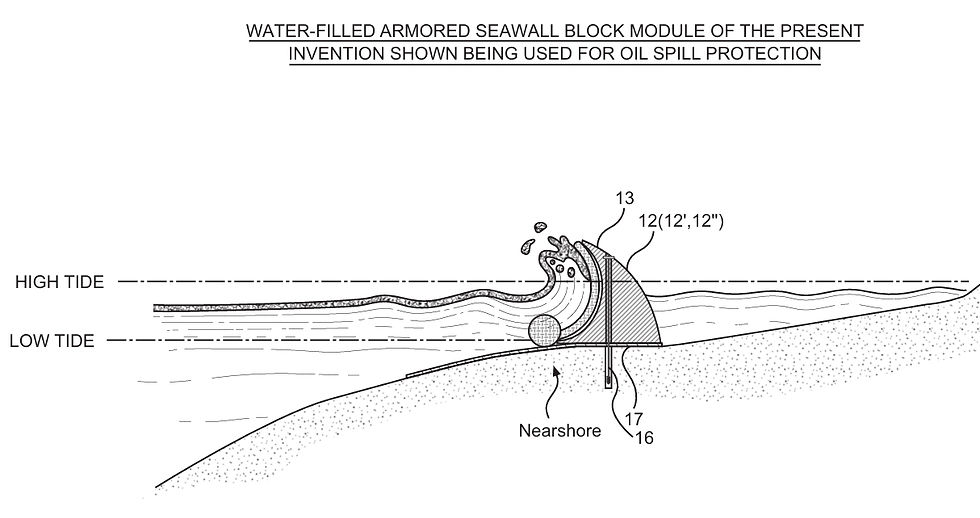
This diagram shows a smaller 4' to 6' unit installed at the near shore, intended for use in bay areas. The system can be accompanied by oil-absorbent pads to help prevent oil from reaching the shoreline and mixing with sand and stones, which would involve significant cleanup cost and require extensive environmental containment.
Advantages
-
Rapidly deployed and installed.
-
Cost-effective, requiring minimal mid-range equipment and labor for deployment and installation.
-
Potential to lower insurance premiums through participation in or consideration by the National Flood Insurance Program (NFIP), subject to applicable requirements and approvals.
-
Reduces scour and erosion while improving sand accretion.
-
Water-filled blocks weighing approximately 6.5 tons become an armored protective structure.
-
GPS monitoring and wave-impact recording capabilities.
-
Rotationally molded and engineered for structural integrity and resistance to wave impact.
-
Assists disaster preparedness and response teams with a rapidly deployable coastal protection system.
-
Improves coastal resiliency by providing temporary protection in vulnerable shoreline areas.
-
Environmentally and eco-friendly design and application.
-
Sea Star is designed to perform in areas with structural and coastal erosion hazards.
Raymond O'Neill Sr. previously patented armored structures


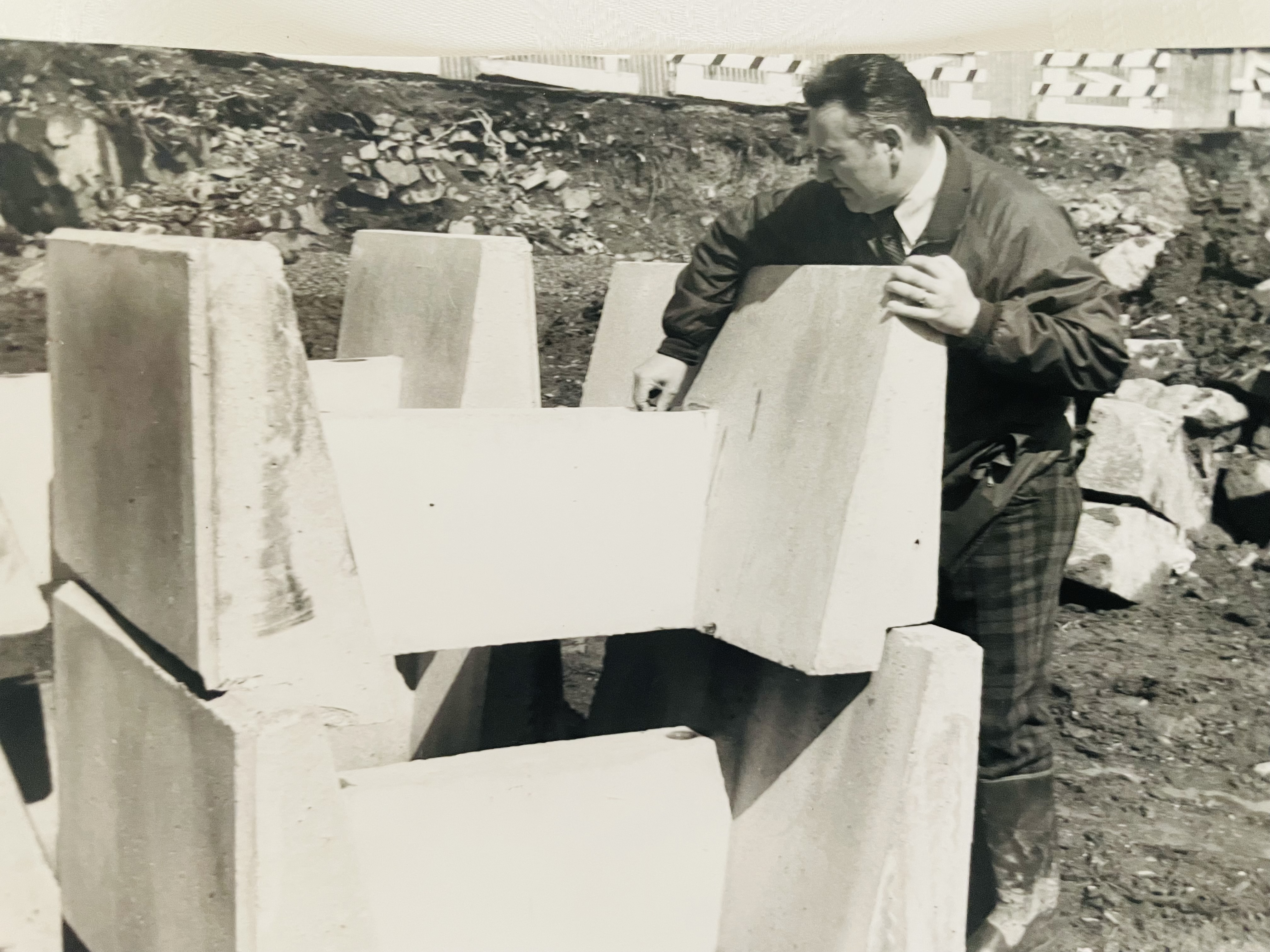
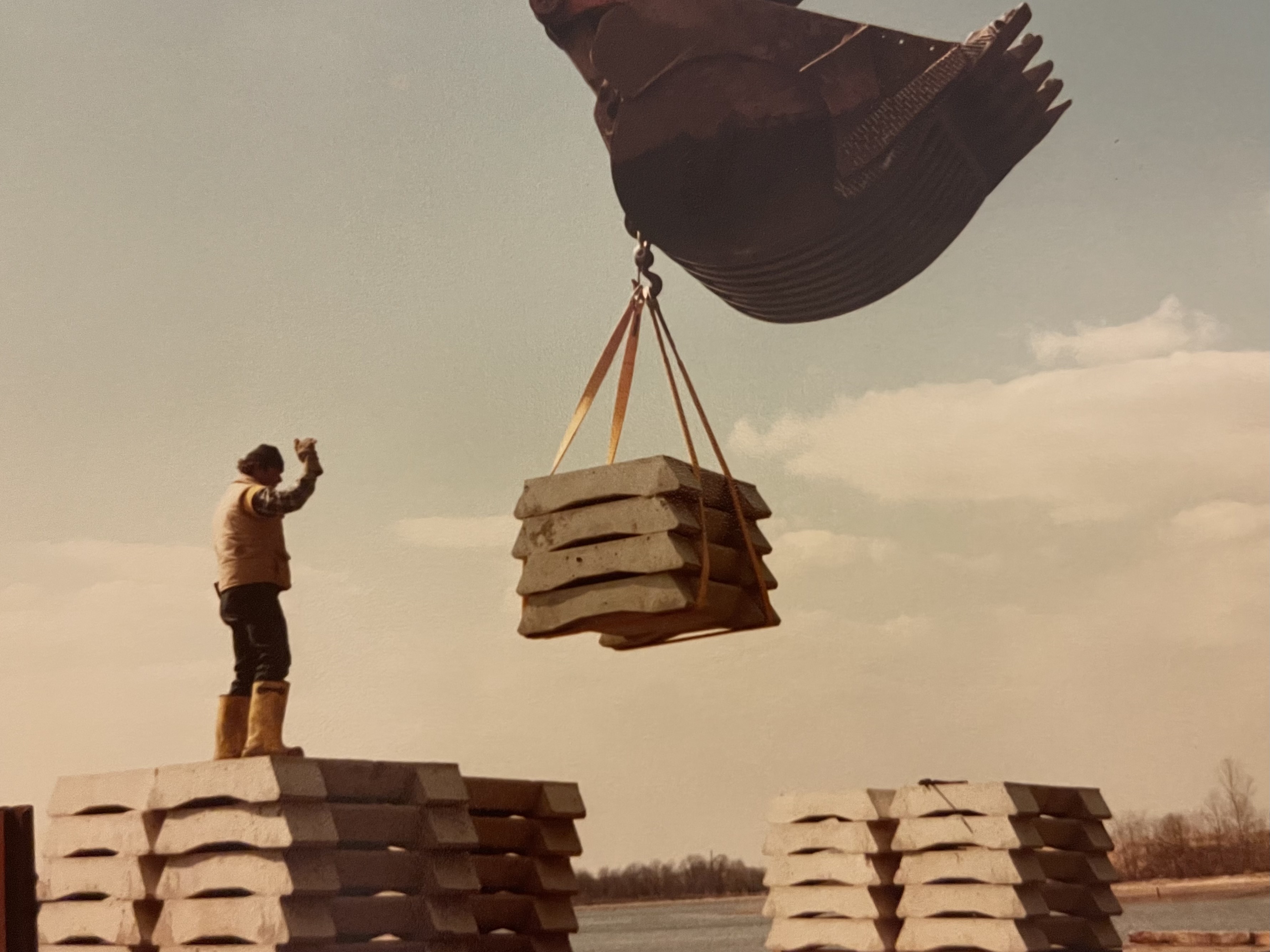
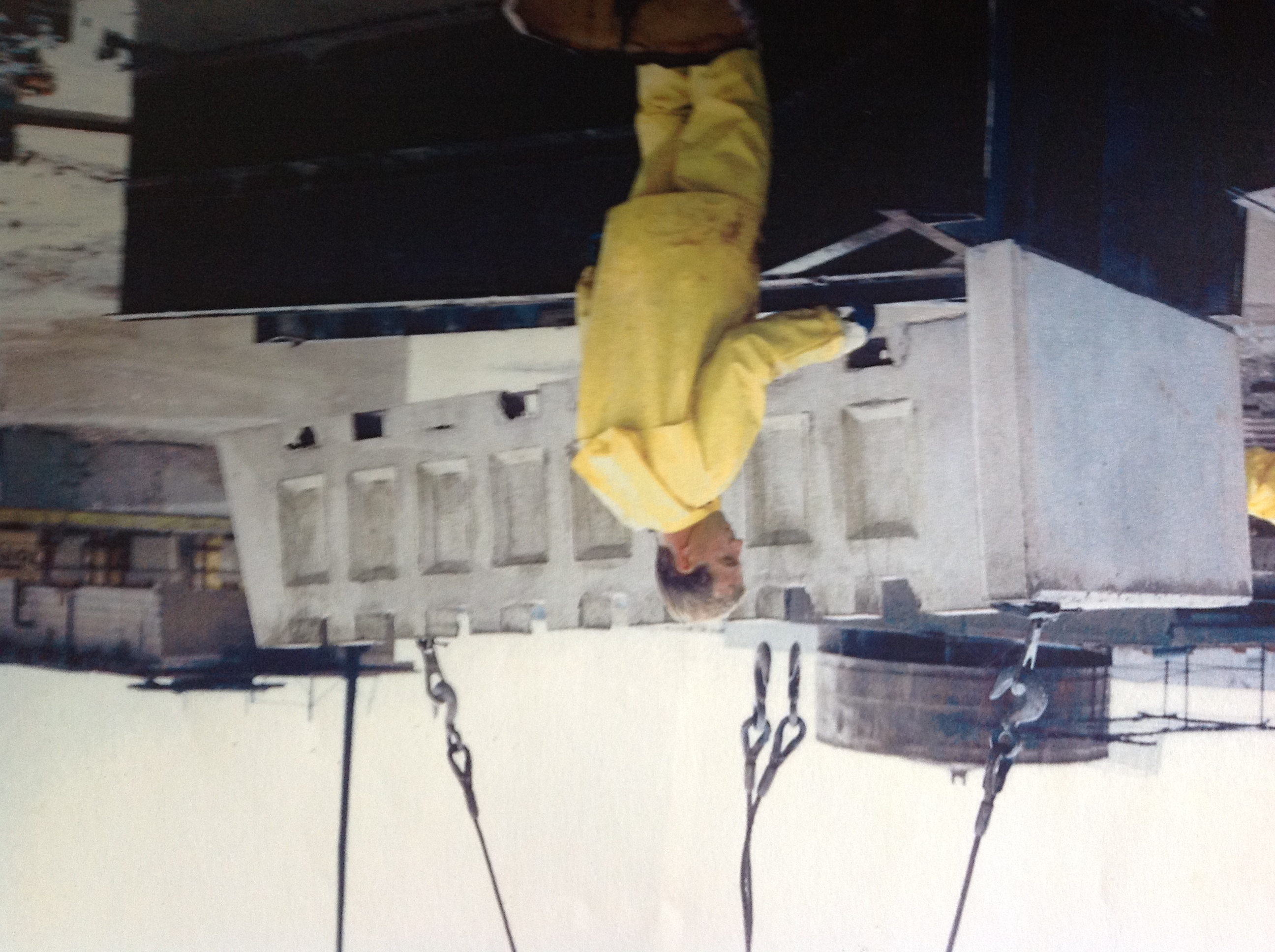
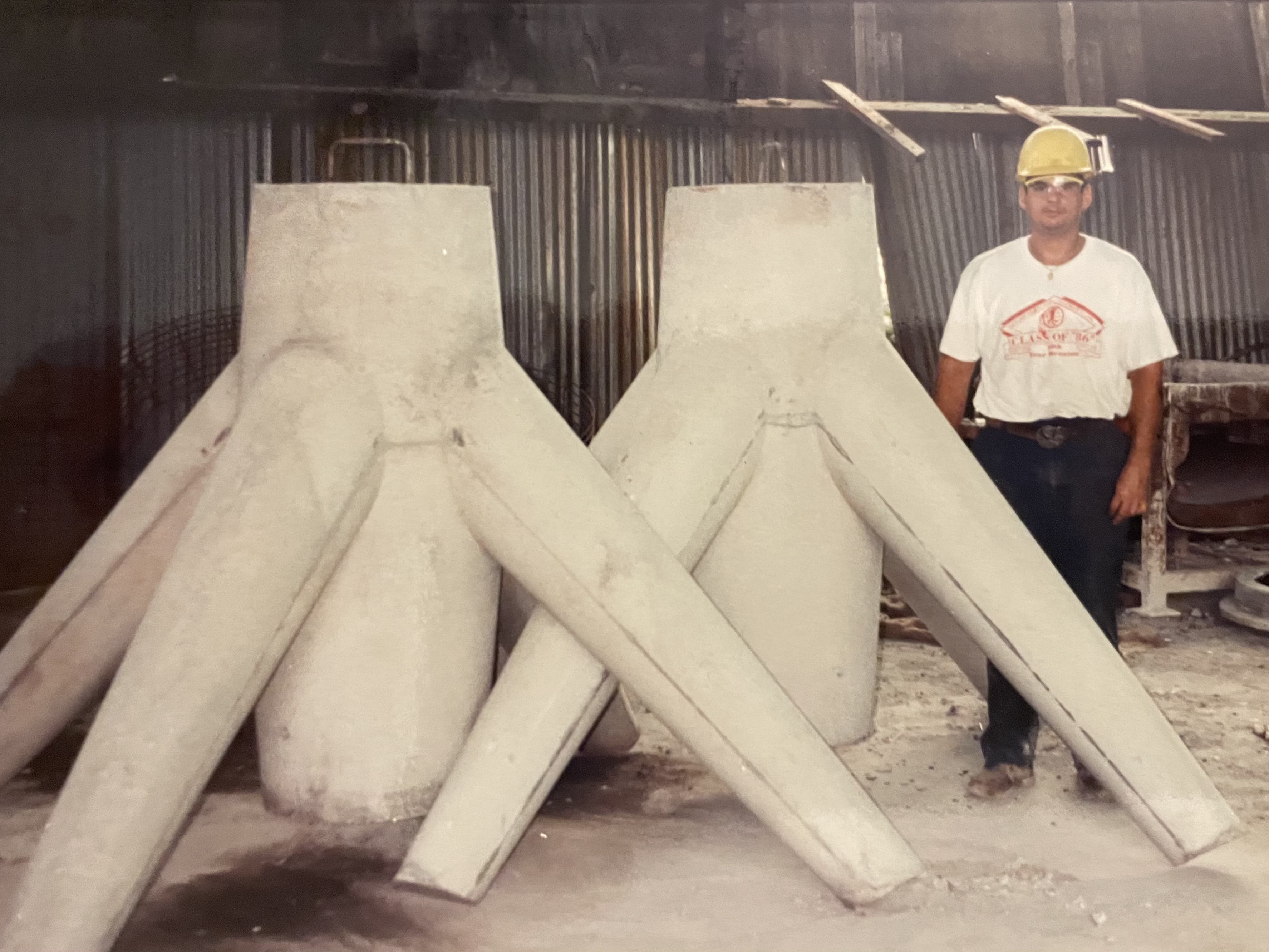
Sta-Wall
Coastal Protection
Our patent-pending curved geometry dissipates wave energy through controlled friction and turbulence, significantly reducing the impact force on coastal structures on manmade dunes. Wave impact recording and GPS monitoring.
Wave Energy Dissipation
By redirecting water flow and minimizing scouring, our seawalls provide a robust defense against long-term coastal erosion and sediment loss; saving lives, property and our shoreline. The scalloped front curve will create sand accretion.
Advanced Erosion Control
Engineered for maximum durability, our curved segments are designed to withstand extreme tidal forces and high-energy wave impacts for decades and insuring coastal resilience. Marine grade and UV protected materials.
Structural Resilience
River and Lagoon High Tide Disasters
During storms and high tides, it is common for rivers and lagoons in coastal communities to overrun bulkheads and existing structures.
SeaStar blocks can be anchored directly to the top edge of a bulkhead, pavement, or land to help prevent water from overflowing the edges.
High Tide Protection
Contact Us
Connect with our coastal engineering experts to discuss the implementation of our patent-pending curved seawall technology and technical specifications.
info@seastarprotection.com
Coastal HQ, SeaStar Protective Services
Engineering a sustainable future for our coastlines.